The swing, position by position
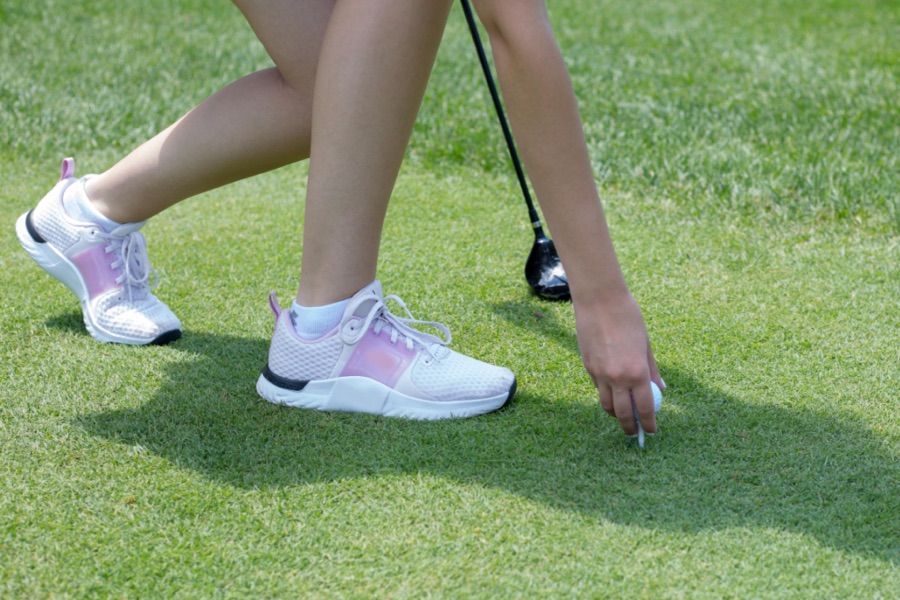 Golf setup: reading your address on video
Ball position, stance width and side tilt all read from face-on. Down the line is the angle for posture. What to look for in each frame, and how tight the tolerance is.
Golf setup: reading your address on video
Ball position, stance width and side tilt all read from face-on. Down the line is the angle for posture. What to look for in each frame, and how tight the tolerance is.
 What "on plane" at the top really means
On plane at the top means the shaft pointing along your target line. Where the idea came from, and how little it actually predicts about the shot.
What "on plane" at the top really means
On plane at the top means the shaft pointing along your target line. Where the idea came from, and how little it actually predicts about the shot.
 What moves first in the golf transition
Coaches say the lower body starts down while the club is still going back. Here is what that overlap looks like on your own video.
What moves first in the golf transition
Coaches say the lower body starts down while the club is still going back. Here is what that overlap looks like on your own video.
 Golf impact position: what good ones share
Hands ahead, flat lead wrist, open hips, weight forward. What each one does to the ball at impact, and what you can actually see on your own video.
Golf impact position: what good ones share
Hands ahead, flat lead wrist, open hips, weight forward. What each one does to the ball at impact, and what you can actually see on your own video.
 What Your Golf Finish Tells You About Your Swing
Your last frame is a diagnosis. What a finish that falls backwards and a finish that collapses each say about the downswing you could not see.
What Your Golf Finish Tells You About Your Swing
Your last frame is a diagnosis. What a finish that falls backwards and a finish that collapses each say about the downswing you could not see.
 Golf ball position: an inch is a degree
Move the ball an inch in your stance and the attack angle shifts about a degree. What that does to the strike, and how to check it face-on.
Golf ball position: an inch is a degree
Move the ball an inch in your stance and the attack angle shifts about a degree. What that does to the strike, and how to check it face-on.
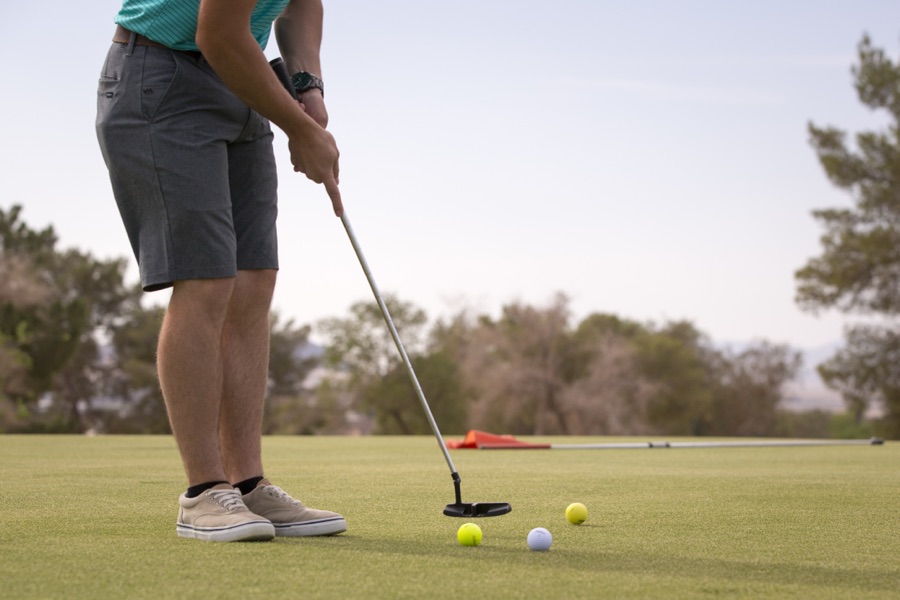 The golf grip, in degrees of clubface angle
A strong, neutral or weak golf grip moved twelve professionals' clubface about five degrees at impact. What the knuckles, the V's and pressure each do.
The golf grip, in degrees of clubface angle
A strong, neutral or weak golf grip moved twelve professionals' clubface about five degrees at impact. What the knuckles, the V's and pressure each do.
 Golf posture: where your forward bend comes from
A tour player bends forward about 41 degrees at address and roughly 16 of that is pelvis. Where the rest of it comes from is the whole question.
Golf posture: where your forward bend comes from
A tour player bends forward about 41 degrees at address and roughly 16 of that is pelvis. Where the rest of it comes from is the whole question.
 Your golf takeaway, and what it does not decide
Down the line, your hands and the clubhead overlap when the hands reach the trail thigh. What that frame shows, and what it fails to predict.
Your golf takeaway, and what it does not decide
Down the line, your hands and the clubhead overlap when the hands reach the trail thigh. What that frame shows, and what it fails to predict.
 Halfway back: the easiest frame to find
Two different frames answer to halfway back. Which one has the level shaft, what laid off and across the line look like there, and what it settles.
Halfway back: the easiest frame to find
Two different frames answer to halfway back. Which one has the level shaft, what laid off and across the line look like there, and what it settles.
 Cupped, flat or bowed: the lead wrist at the top
Extension in the lead wrist at the top is meant to open the clubface degree for degree. Here is what the sensors and the labs actually recorded.
Cupped, flat or bowed: the lead wrist at the top
Extension in the lead wrist at the top is meant to open the clubface degree for degree. Here is what the sensors and the labs actually recorded.
 P1 to P10: the golf swing positions defined
P1 is address, P7 is impact, P10 is the finish. Where the other seven frames sit, who named them, and what a position number does not claim.
P1 to P10: the golf swing positions defined
P1 is address, P7 is impact, P10 is the finish. Where the other seven frames sit, who named them, and what a position number does not claim.
 Golf release: the rate the clubface turns
Release is a rotation rate, not a hand action. What 94 tour swings measured, why roll and block both win, and what a phone frame can show.
Golf release: the rate the clubface turns
Release is a rotation rate, not a hand action. What 94 tour swings measured, why roll and block both win, and what a phone frame can show.
What goes wrong, and why
 Why you slice, and the two fixes in order
A slice is your clubface open relative to your swing path at impact. Here is what that means, why the ball starts left, and why the grip changes first.
Why you slice, and the two fixes in order
A slice is your clubface open relative to your swing path at impact. Here is what that means, why the ball starts left, and why the grip changes first.
 Over the top: what the move looks like on video
Coming over the top is the arms starting the downswing and throwing the club outside the target line. Here is the one frame that shows it.
Over the top: what the move looks like on video
Coming over the top is the arms starting the downswing and throwing the club outside the target line. Here is the one frame that shows it.
 Early extension: the hip move you can't feel
Early extension is your hips moving toward the ball in the downswing. How to spot it on your video, what it does to contact, and the drills coaches use.
Early extension: the hip move you can't feel
Early extension is your hips moving toward the ball in the downswing. How to spot it on your video, what it does to contact, and the drills coaches use.
 Why you hit it fat one swing and thin the next
Fat and thin are two variables, not one: where the bottom of your swing arc sits, and how deep it swings. Both move with your chest, not your hands.
Why you hit it fat one swing and thin the next
Fat and thin are two variables, not one: where the bottom of your swing arc sits, and how deep it swings. Both move with your chest, not your hands.
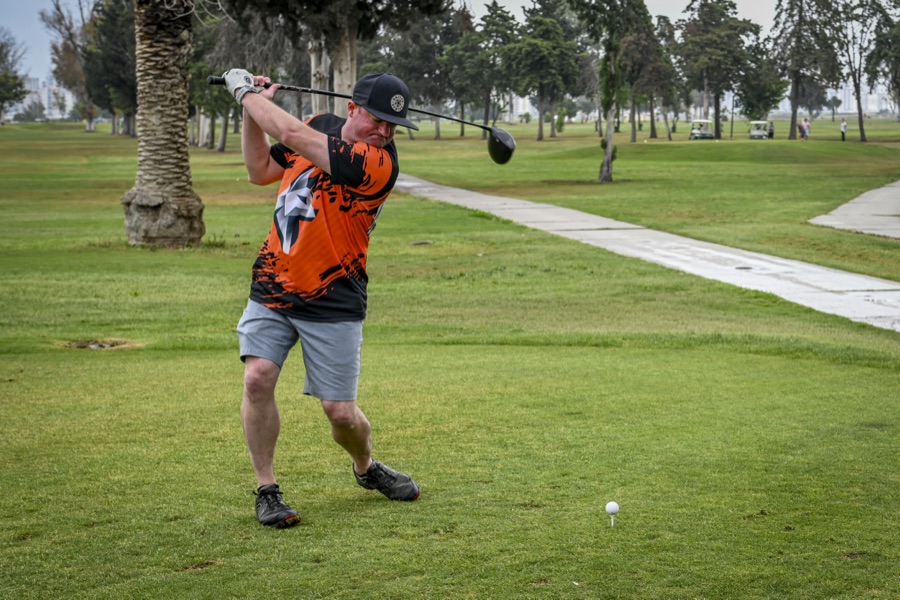 Casting in the golf swing, and what lag really is
Casting is the lead wrist angle going early in the downswing. What that angle really is, where good players give it up, and why holding it backfires.
Casting in the golf swing, and what lag really is
Casting is the lead wrist angle going early in the downswing. What that angle really is, where good players give it up, and why holding it backfires.
 Chicken wing golf swing: the cause is earlier
The bent, lifting lead arm past impact is a compensation, not a cause. What leaves it no room, what a motion lab measured, and why the frame is late.
Chicken wing golf swing: the cause is earlier
The bent, lifting lead arm past impact is a compensation, not a cause. What leaves it no room, what a motion lab measured, and why the frame is late.
 Flipping and scooping: the loft you hand back
Flipping is the lead wrist adding loft in the last hundredths of a second. What that costs in compression, and why the divot finds it first.
Flipping and scooping: the loft you hand back
Flipping is the lead wrist adding loft in the last hundredths of a second. What that costs in compression, and why the divot finds it first.
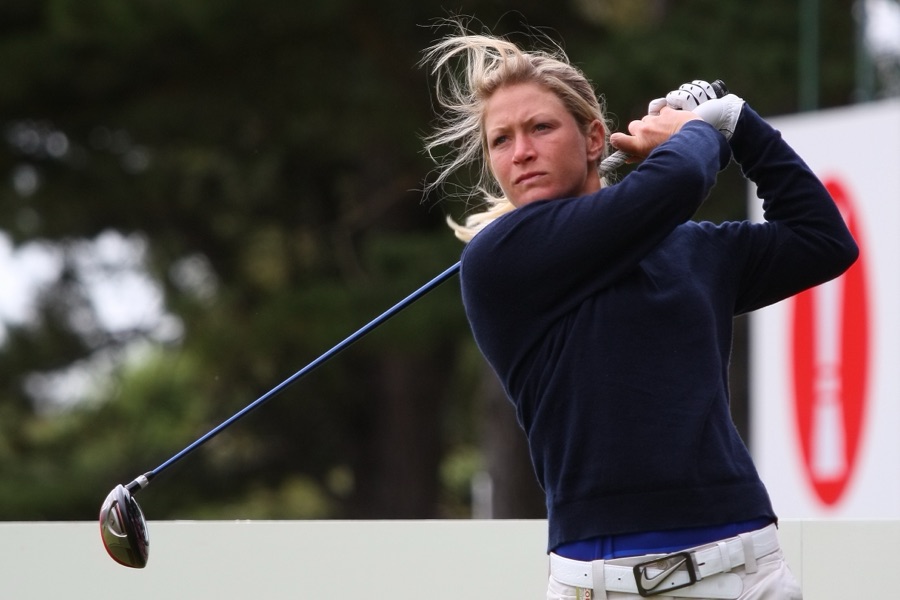 The flying right elbow, and when it is a fault
The flying right elbow is the trail elbow high and away from the body at the top. What Nicklaus and Furyk did next, and the frame that settles it.
The flying right elbow, and when it is a fault
The flying right elbow is the trail elbow high and away from the body at the top. What Nicklaus and Furyk did next, and the frame that settles it.
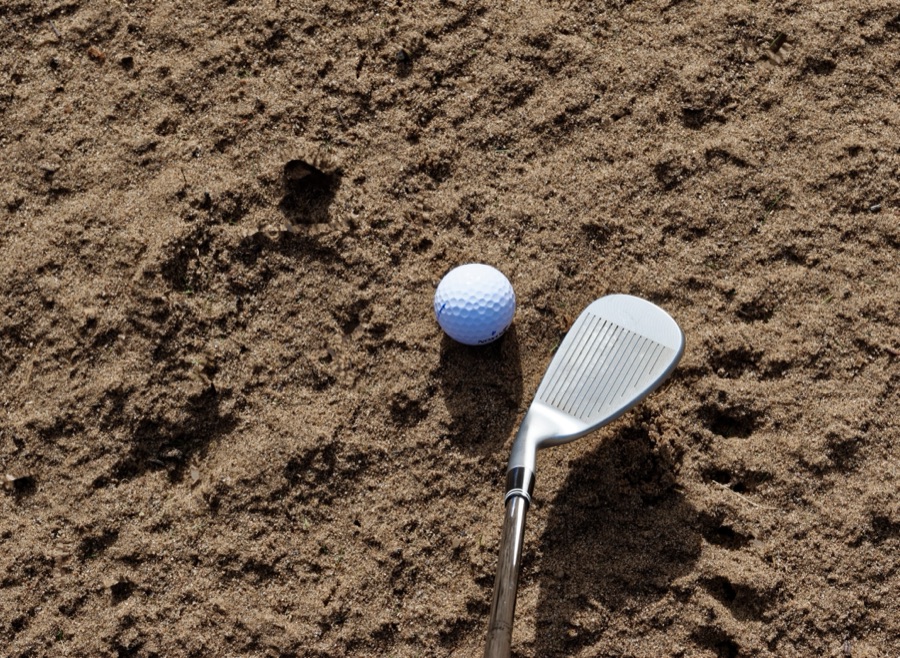 Golf shank: telling the two causes apart
A shank is the hosel, not the face. Two opposite deliveries produce it, five millimetres decide it, and two range tests say which one is yours.
Golf shank: telling the two causes apart
A shank is the hosel, not the face. Two opposite deliveries produce it, five millimetres decide it, and two range tests say which one is yours.
 Hanging back: weight stuck on the trail foot
Hanging back leaves pressure on the back foot at impact. What that does to the bottom of your swing arc, and why one fault gives you fat and thin.
Hanging back: weight stuck on the trail foot
Hanging back leaves pressure on the back foot at impact. What that does to the bottom of your swing arc, and why one fault gives you fat and thin.
 Past parallel: where the extra length comes from
Going past parallel is mostly arm and wrist, not extra turn. What two studies measured when golfers shortened the backswing, and what it cost.
Past parallel: where the extra length comes from
Going past parallel is mostly arm and wrist, not extra turn. What two studies measured when golfers shortened the backswing, and what it cost.
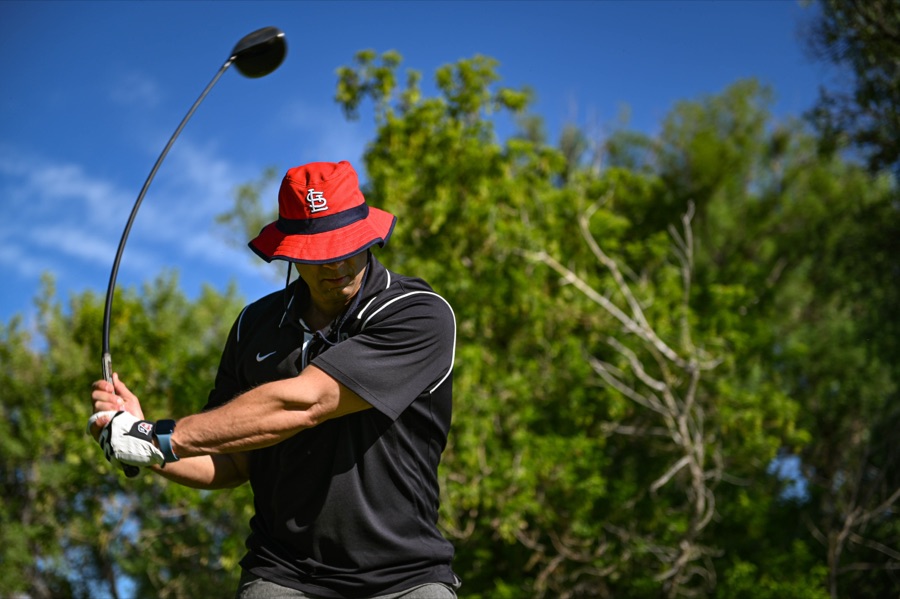 Pull shot, push shot: the misses that don't curve
A pull starts left and stays left. A push starts right and stays right. Both mean your face and your path agreed with each other and not with the target.
Pull shot, push shot: the misses that don't curve
A pull starts left and stays left. A push starts right and stays right. Both mean your face and your path agreed with each other and not with the target.
 Reverse pivot golf swing: loading the wrong side
A reverse pivot loads the lead side while the club is still going back. What force plates measured in that half of the swing, and how to see it face-on.
Reverse pivot golf swing: loading the wrong side
A reverse pivot loads the lead side while the club is still going back. What force plates measured in that half of the swing, and how to see it face-on.
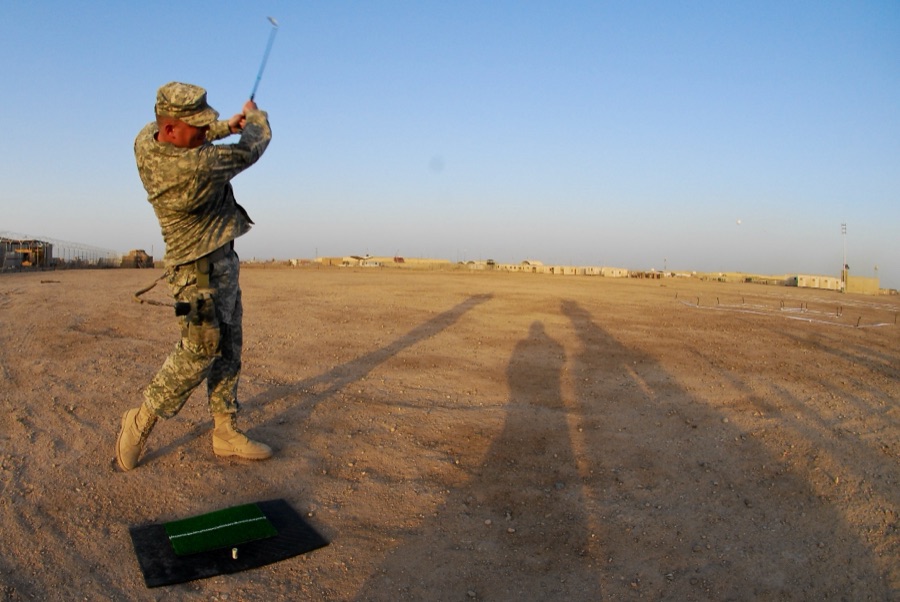 Sky marks: why a driver pops straight up
A sky mark is the driver arriving under the ball while still travelling down. What the scuff on the crown records, and the two cheapest fixes.
Sky marks: why a driver pops straight up
A sky mark is the driver arriving under the ball while still travelling down. What the scuff on the crown records, and the two cheapest fixes.
 Swaying in the golf swing: sway versus slide
Sway is lateral hip movement away from the target going back. Slide is the same movement toward it coming down. Only one is a fault.
Swaying in the golf swing: sway versus slide
Sway is lateral hip movement away from the target going back. Slide is the same movement toward it coming down. Only one is a fault.
 Why you hook the ball, and which hook it is
A hook is the clubface shut to the swing path. Two degrees of it bends a tour drive 19 yards left, and your start line says which hook you have.
Why you hook the ball, and which hook it is
A hook is the clubface shut to the swing path. Two degrees of it bends a tour drive 19 yards left, and your start line says which hook you have.
What the numbers mean
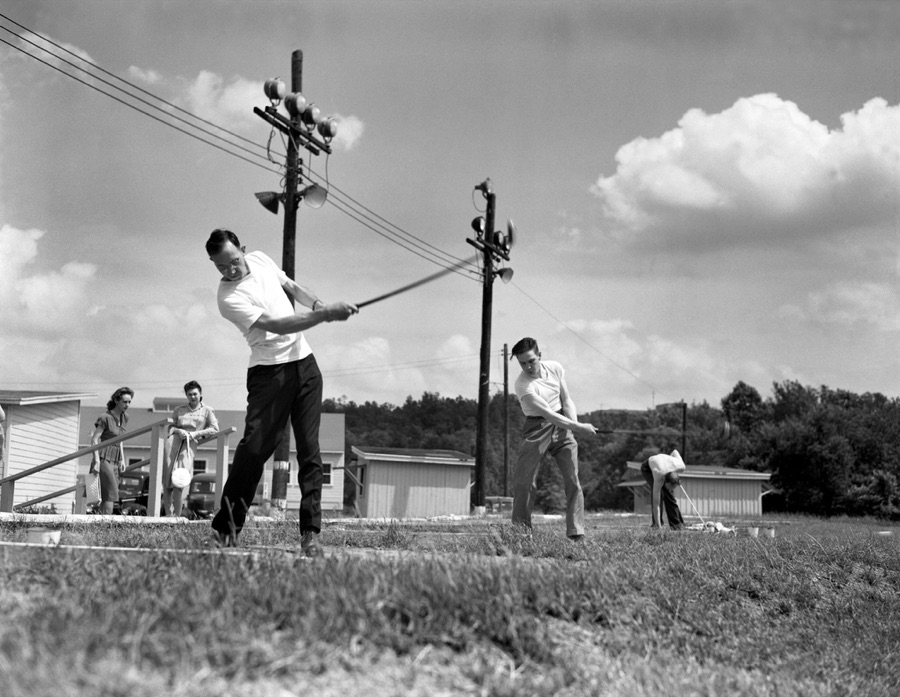 Golf Swing Tempo: What the 3:1 Ratio Is, and Is Not
The 3:1 golf swing tempo ratio was counted in 30 fps video frames. Accelerometers at 250 Hz found tour pros spread from 2.5:1 to 3.5:1. What is measured, what is assumed.
Golf Swing Tempo: What the 3:1 Ratio Is, and Is Not
The 3:1 golf swing tempo ratio was counted in 30 fps video frames. Accelerometers at 250 Hz found tour pros spread from 2.5:1 to 3.5:1. What is measured, what is assumed.
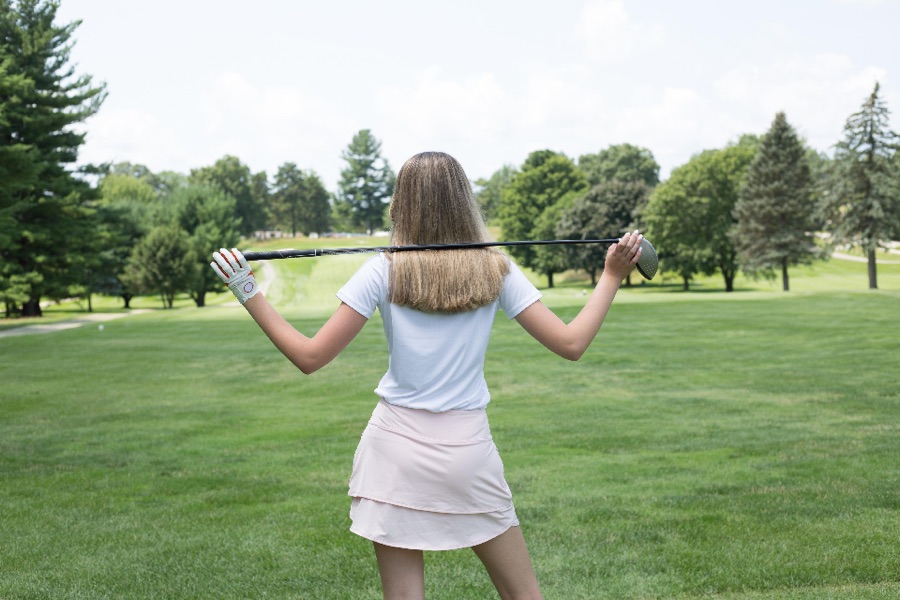 X-factor in the golf swing: what it's worth
The X-factor is shoulder turn minus hip turn at the top. Where the 38-degree number came from, what the studies show, and why the figure is soft.
X-factor in the golf swing: what it's worth
The X-factor is shoulder turn minus hip turn at the top. Where the 38-degree number came from, what the studies show, and why the figure is soft.
 What the kinematic sequence actually means
Pelvis, thorax, arm, club: each peaks later and faster than the last. The measured numbers, why the order beats any single speed, and how it feels wrong.
What the kinematic sequence actually means
Pelvis, thorax, arm, club: each peaks later and faster than the last. The measured numbers, why the order beats any single speed, and how it feels wrong.
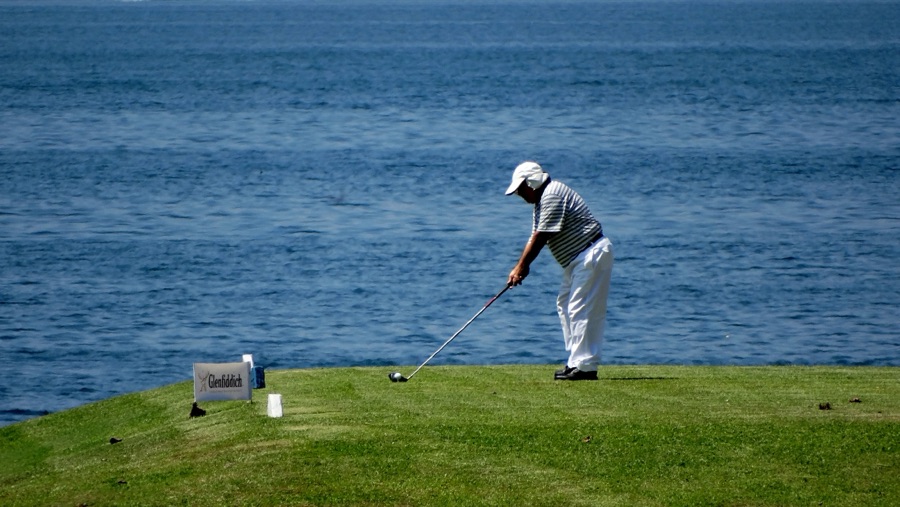 Attack angle in golf: up, down, what it buys
Attack angle is whether the club is travelling up or down at the ball. The tour numbers club by club, and what a degree is worth in carry.
Attack angle in golf: up, down, what it buys
Attack angle is whether the club is travelling up or down at the ball. The tour numbers club by club, and what a degree is worth in carry.
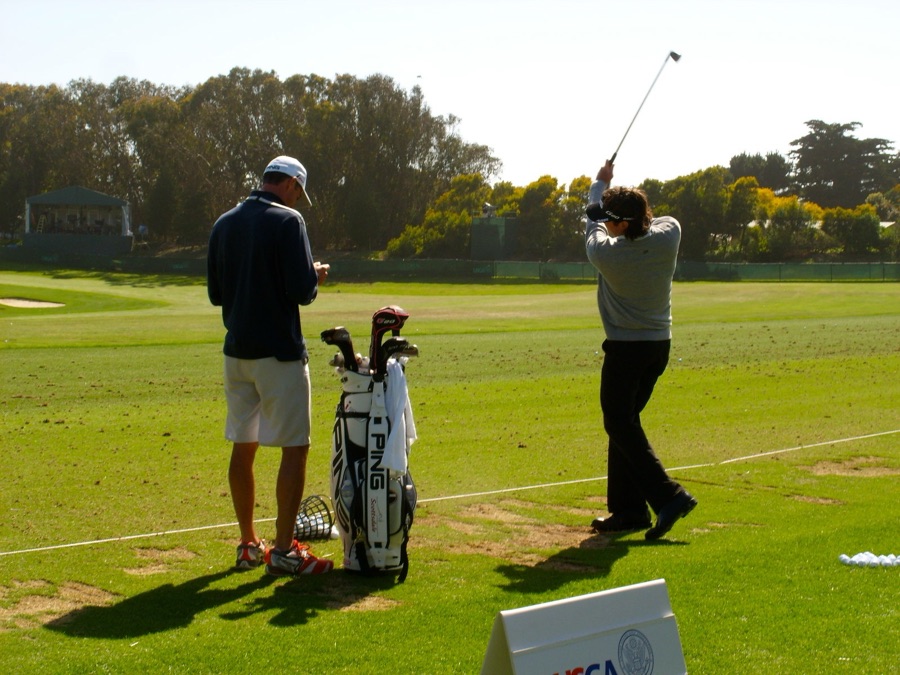 Average golf swing speed by handicap and gender
TrackMan puts a scratch male amateur at 110 mph and a bogey golfer at 92. Where each published figure was collected, and why the datasets disagree.
Average golf swing speed by handicap and gender
TrackMan puts a scratch male amateur at 110 mph and a bogey golfer at 92. Where each published figure was collected, and why the datasets disagree.
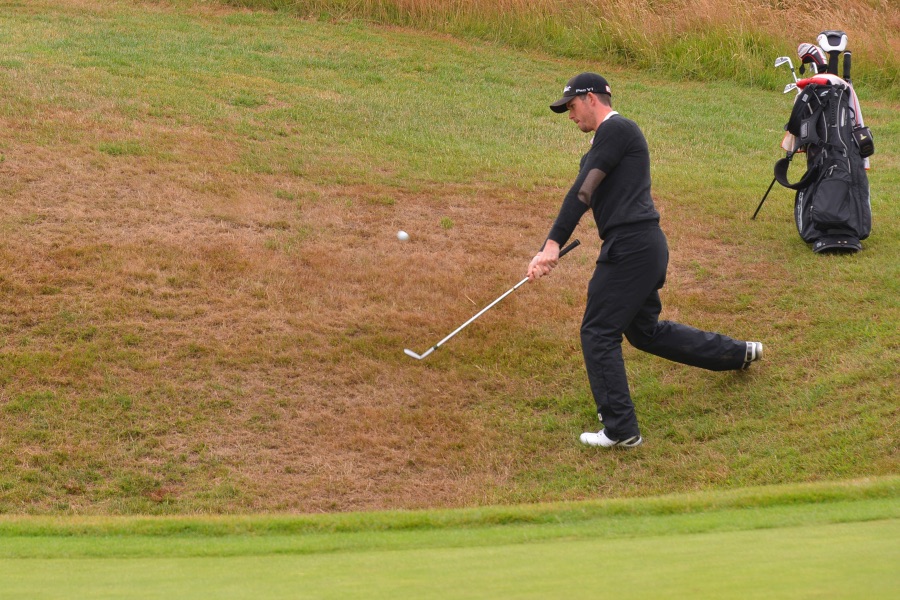 Dynamic loft: the loft the ball actually sees
Dynamic loft is the loft the face delivers at the ball, not the figure on the sole. Tour players hand a 6-iron 20.2 degrees of it.
Dynamic loft: the loft the ball actually sees
Dynamic loft is the loft the face delivers at the ball, not the figure on the sole. Tour players hand a 6-iron 20.2 degrees of it.
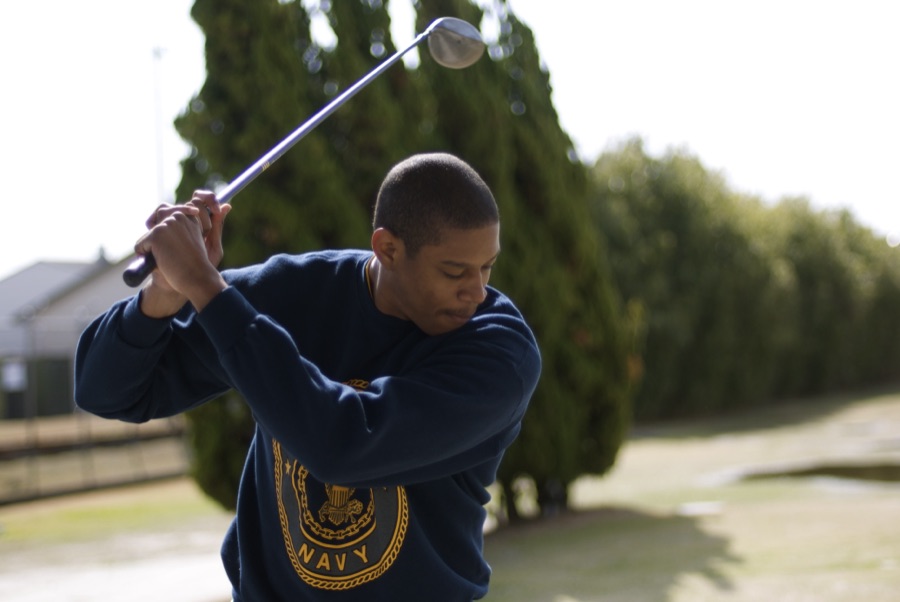 Ground reaction force in the golf swing, measured
A force plate splits your push into vertical, horizontal and torque. What each reaches in the downswing, and why no camera can read them.
Ground reaction force in the golf swing, measured
A force plate splits your push into vertical, horizontal and torque. What each reaches in the downswing, and why no camera can read them.
 Smash factor: where the 1.50 ceiling comes from
Smash factor is ball speed divided by club speed. Where the 1.50 ceiling comes from, the tour figures by club, and what a low reading points at.
Smash factor: where the 1.50 ceiling comes from
Smash factor is ball speed divided by club speed. Where the 1.50 ceiling comes from, the tour figures by club, and what a low reading points at.
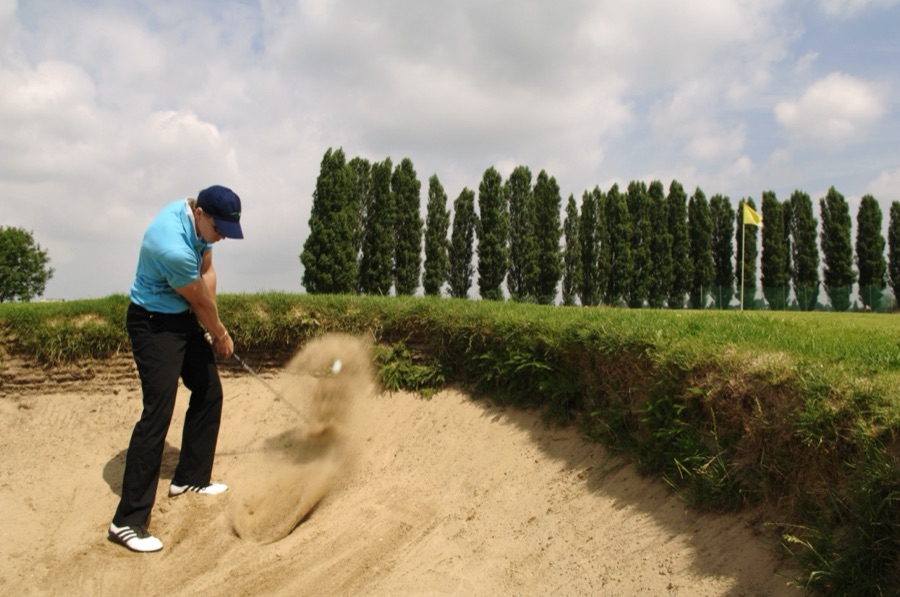 Spin loft: the gap that sets spin and smash
Spin loft is dynamic loft minus attack angle. The same gap that sets your spin rate also caps your smash factor. The numbers, driver to wedge.
Spin loft: the gap that sets spin and smash
Spin loft is dynamic loft minus attack angle. The same gap that sets your spin rate also caps your smash factor. The numbers, driver to wedge.
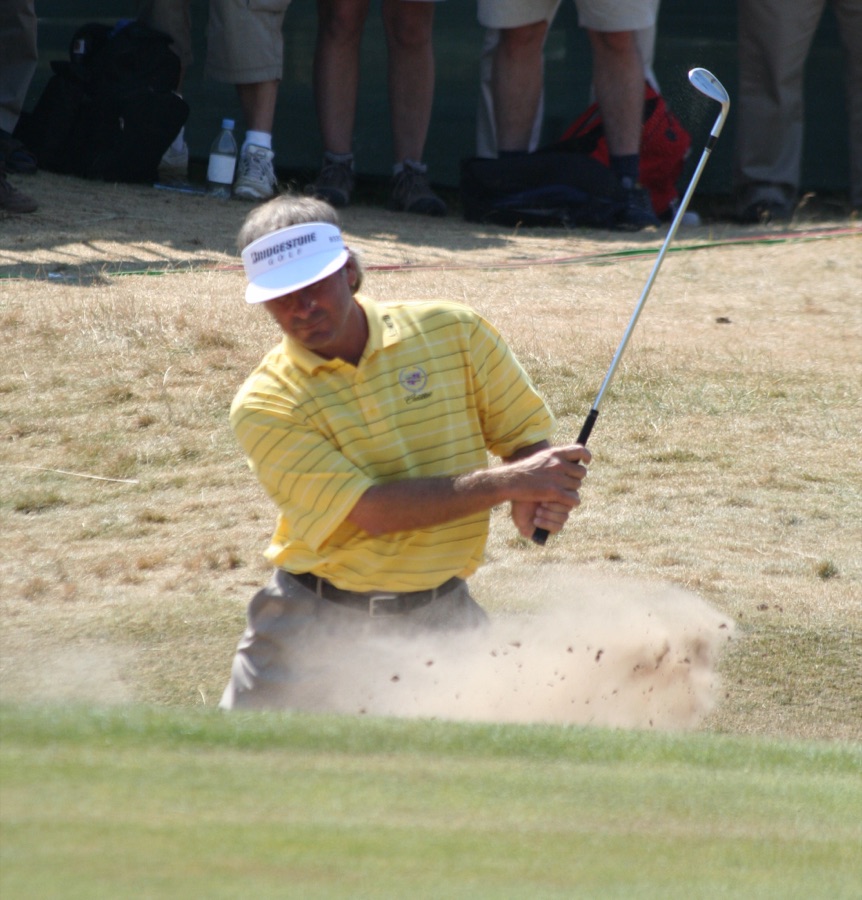 Club path and swing direction are different
Club path is one instant at impact. Swing direction is the whole downswing arc. Hitting down splits them, and your aim pays for the gap.
Club path and swing direction are different
Club path is one instant at impact. Swing direction is the whole downswing arc. Hitting down splits them, and your aim pays for the gap.
 Hip rotation speed: the pelvis peaks and fades
Professionals peak near 415 degrees a second and are down to 289 at impact. What the pelvis is worth in clubhead speed, and what it is not.
Hip rotation speed: the pelvis peaks and fades
Professionals peak near 415 degrees a second and are down to 289 at impact. What the pelvis is worth in clubhead speed, and what it is not.
 Driver launch angle and spin rate: the window
The pair that carries furthest moves with your ball speed. What golfers at every speed measure, and where the published optimum came from.
Driver launch angle and spin rate: the window
The pair that carries furthest moves with your ball speed. What golfers at every speed measure, and where the published optimum came from.
 Low point in the golf swing: where it sits
The bottom of your swing arc is a measured distance, not a feeling. What a launch monitor means by low point, and how far it moves between swings.
Low point in the golf swing: where it sits
The bottom of your swing arc is a measured distance, not a feeling. What a launch monitor means by low point, and how far it moves between swings.
 Forward shaft lean at impact, in degrees
Shaft lean is an angle, not a hand position. What the tour numbers actually measure, where the angle comes from, and what a face-on frame reads.
Forward shaft lean at impact, in degrees
Shaft lean is an angle, not a hand position. What the tour numbers actually measure, where the angle comes from, and what a face-on frame reads.
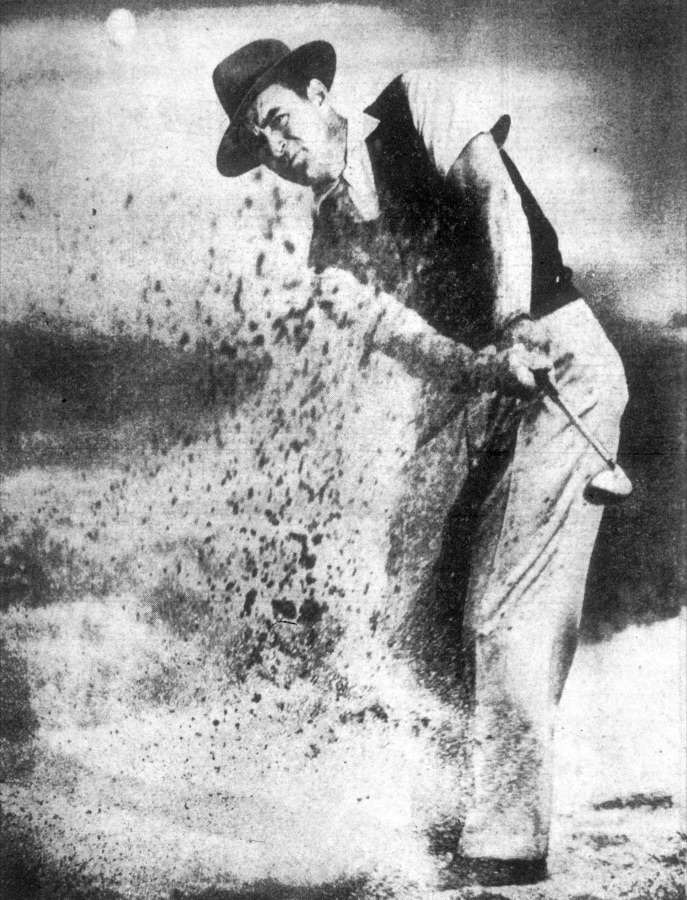 Wrist hinge in golf: three axes, one clubface
Flexion, deviation and forearm rotation are three separate movements. How far each one travels in a swing, and which two of them reach the clubface.
Wrist hinge in golf: three axes, one clubface
Flexion, deviation and forearm rotation are three separate movements. How far each one travels in a swing, and which two of them reach the clubface.
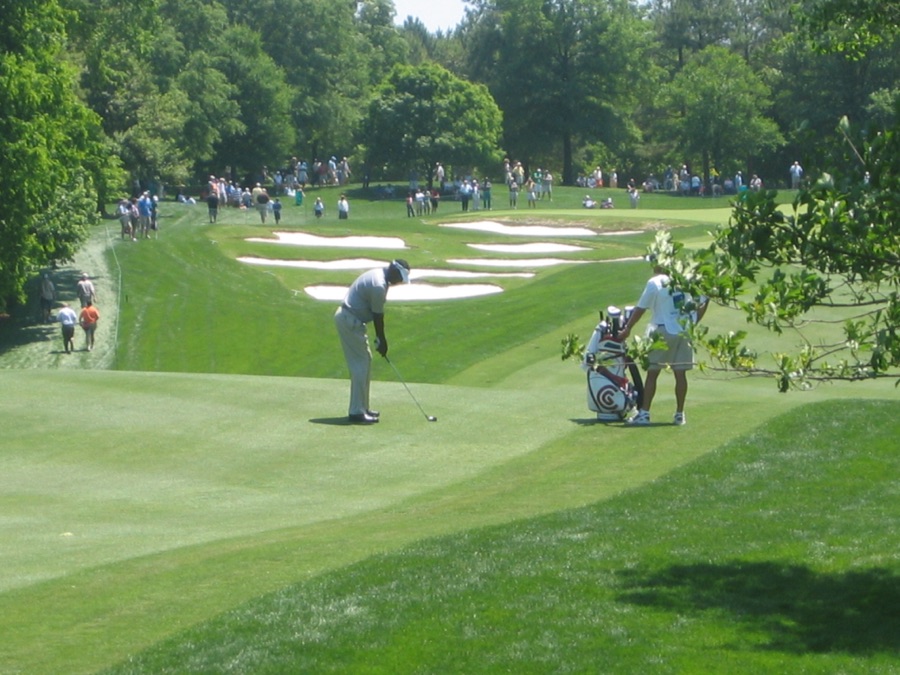 Head movement in the golf swing, measured
Low-handicap golfers moved their heads 55 mm sideways by the top of the backswing, mid-handicappers 124 mm. What that means on your own video.
Head movement in the golf swing, measured
Low-handicap golfers moved their heads 55 mm sideways by the top of the backswing, mid-handicappers 124 mm. What that means on your own video.
Filming and measuring
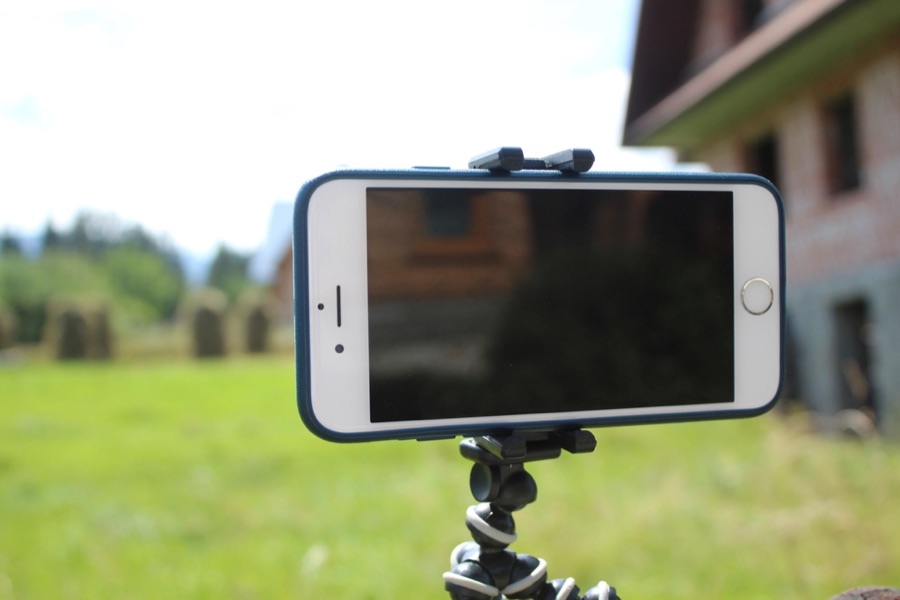 How to Film Your Golf Swing on a Phone
Where to stand, how high to hold the phone, how to frame the club, and why 30fps is usually enough. The setup that makes swing measurements trustworthy.
How to Film Your Golf Swing on a Phone
Where to stand, how high to hold the phone, how to frame the club, and why 30fps is usually enough. The setup that makes swing measurements trustworthy.
 What a phone can actually measure in your swing
Angles inside the camera frame are countable pixels. Depth is inferred. Club and ball speed are inferences with wide ranges, not measurements.
What a phone can actually measure in your swing
Angles inside the camera frame are countable pixels. Depth is inferred. Club and ball speed are inferences with wide ranges, not measurements.
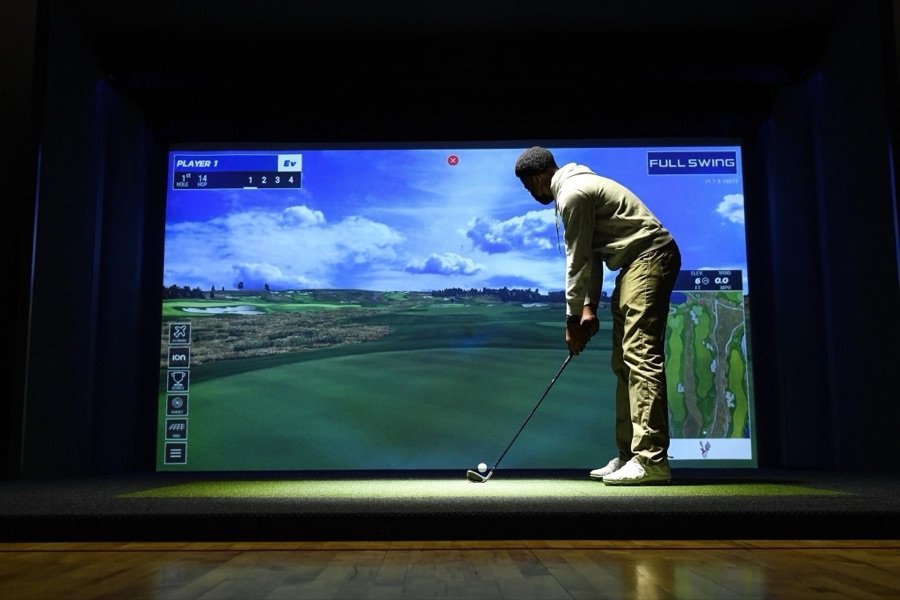 3D motion capture accuracy versus 2D swing video
Marker-based 3D and flattened 2D disagree by about 17 degrees on X-factor at the top. What each instrument measures, and where the lab reference is soft.
3D motion capture accuracy versus 2D swing video
Marker-based 3D and flattened 2D disagree by about 17 degrees on X-factor at the top. What each instrument measures, and where the lab reference is soft.
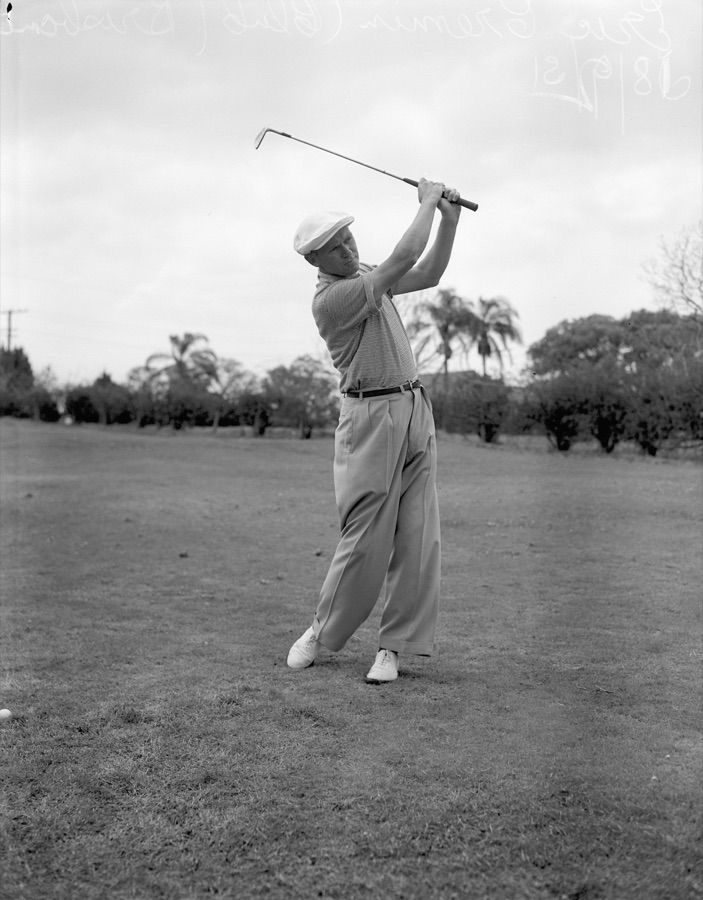 Slow motion golf swing video: fps is only half
Frame rate decides how far the clubhead moves between frames. Shutter speed decides how far it smears inside one. Your fps menu sets only the first.
Slow motion golf swing video: fps is only half
Frame rate decides how far the clubhead moves between frames. Shutter speed decides how far it smears inside one. Your fps menu sets only the first.
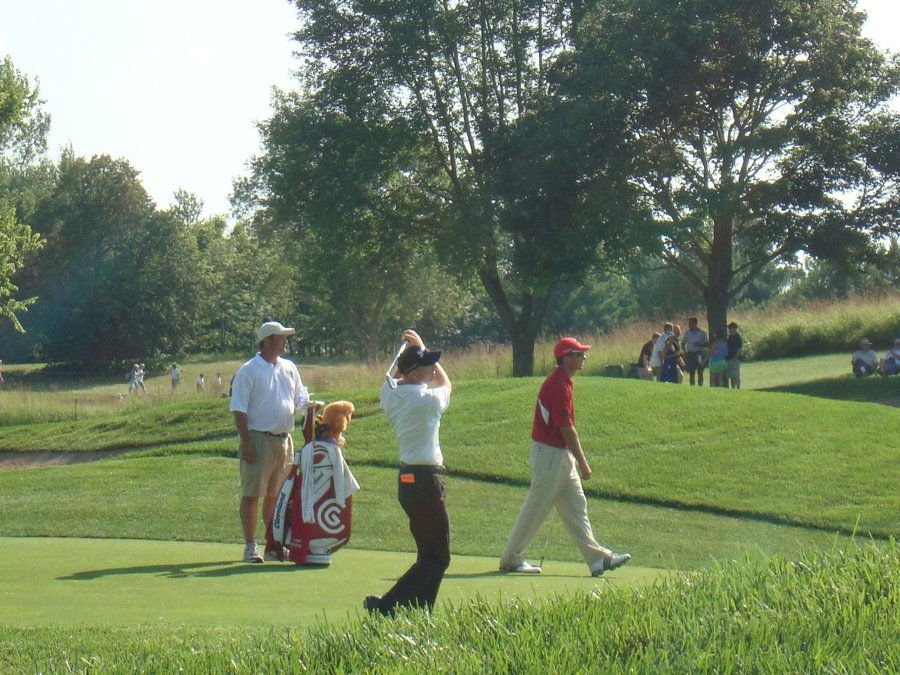 Camera height and parallax in golf swing video
Where the camera stands decides the angles it records. What parallax costs in degrees on a swing video, and the setup that makes two clips comparable.
Camera height and parallax in golf swing video
Where the camera stands decides the angles it records. What parallax costs in degrees on a swing video, and the setup that makes two clips comparable.
 Down the line vs face on: what each view sees
A camera measures what lies flat in its picture. Which swing faults each view can resolve, which one it loses entirely, and why the answer is geometry.
Down the line vs face on: what each view sees
A camera measures what lies flat in its picture. Which swing faults each view can resolve, which one it loses entirely, and why the answer is geometry.
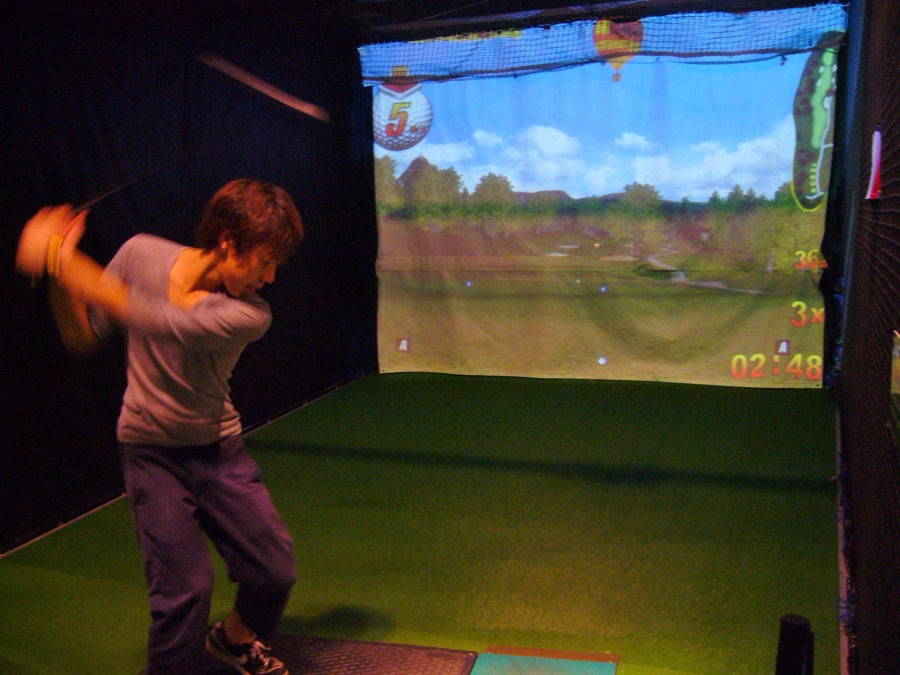 Drawing lines on a golf swing video
Shaft plane, spine line, hip line, the box round the head. What each one is really measuring, and why two honest coaches read the same frame differently.
Drawing lines on a golf swing video
Shaft plane, spine line, hip line, the box round the head. What each one is really measuring, and why two honest coaches read the same frame differently.
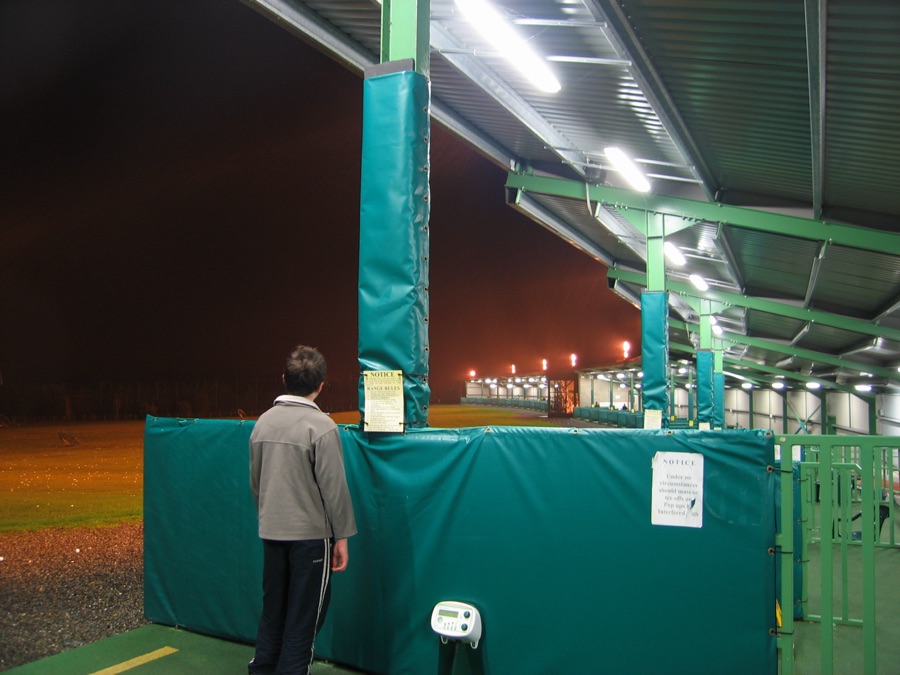 Radar vs camera launch monitors, and what each sees
A Doppler unit watches the ball fly; a camera photographs the impact window. Which numbers on your report were measured, and which came from a model.
Radar vs camera launch monitors, and what each sees
A Doppler unit watches the ball fly; a camera photographs the impact window. Which numbers on your report were measured, and which came from a model.


